
Solutions
Challenges
Why bringing Positive Energy Districts to monument-protected areas is the toughest test in urban energy transition?
The Core Conflict
Positive Energy Districts (PEDs) are districts that produce more energy than they consume. They are crucial for achieving climate neutrality in the urban and regional European context. But integrating modern energy systems into historic buildings and districts presents significant challenges due to preservation requirements, structural limitations, and complex regulatory frameworks. Most energy transition projects focus on new urban developments or retrofitting standard buildings. MonuPED takes on a harder challenge; How to bring PEDs to protected, historic city areas where the constraints are not just technical but cultural, legal, and social.
The MonuPED project starts with the constraints: Heritage regulations, architectural sensitivity, community needs and treats them not as obstacles but as a creative framework for developing solutions that respect the past while enabling the future.
Technical Challenges
Monument-protected buildings pose unique technical constraints for energy retrofitting and some selected examples are:
- Structural limitations: Thick historic walls, wooden floor dividers, and traditional roofing structures limit the types of interventions possible. Insulation options are constrained by the need to preserve building character and breathability.
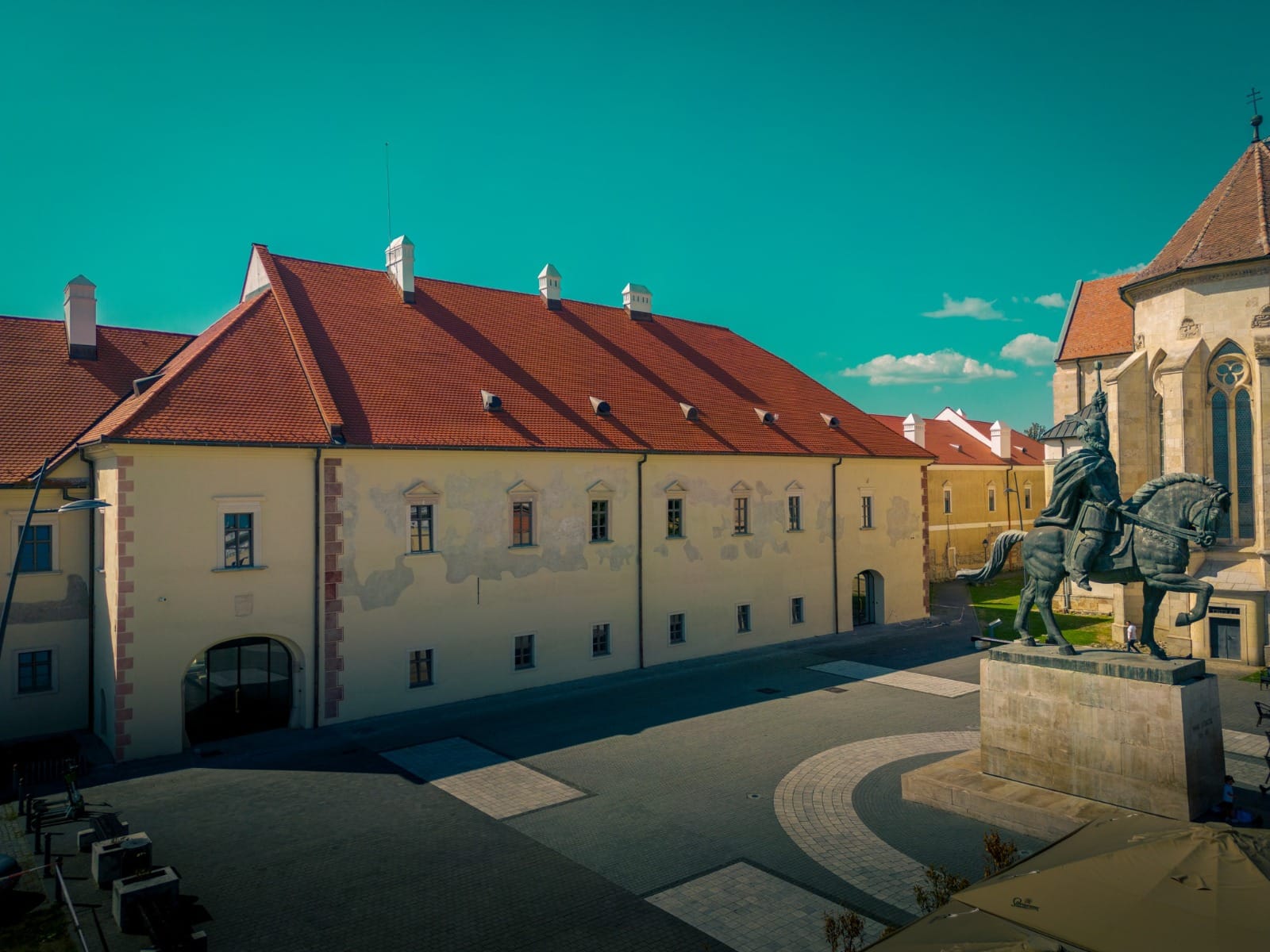
- Infrastructure restrictions: Many historic districts lack modern utility networks. In Alba Iulia, for example, there is no distribution network for heating, cooling, or hot water. Expanding networks is difficult because new utility works require special approvals and archaeological clearance.
- Renewable energy limitations: Wind turbines are generally impossible in heritage areas. Solar PV is often restricted to non-visible roof surfaces. In Alba Iulia, it is limited to 30% of non-visible areas. Geothermal solutions may be ruled out by archaeological constraints, as in Koper. And heat pumps must be hidden from view.
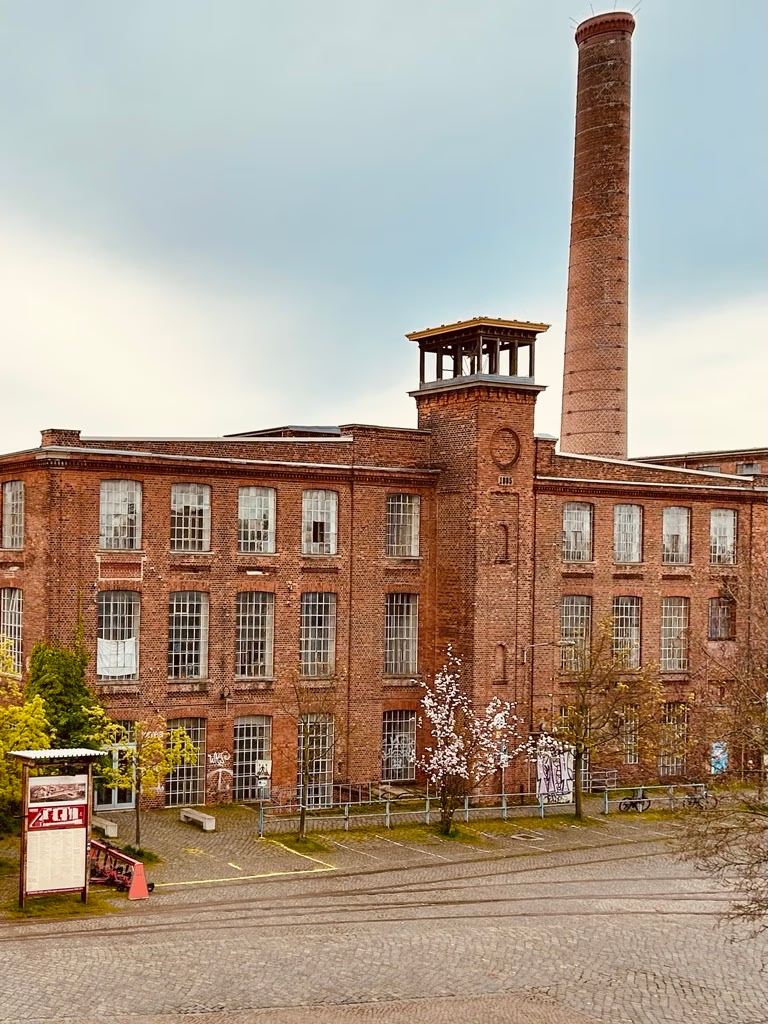
- Building performance variability: Within a single heritage site, such as the Baumwollspinnerei’s 20 buildings, or Alba Iulia’s 50 fortress buildings, where energy performance varies widely due to differing ages, uses, renovation histories, and ownership.
- Sensing and monitoring complexity: Installing sensor networks in historic buildings requires minimally invasive approaches. Cabling, mounting, and wireless coverage must respect building fabric and aesthetics.
Regulatory Challenges
Heritage protection regulations create a complex approval landscape that varies by country and site. Selected examples presented here:
- Case-by-case approvals: In Germany, monument-protected projects are handled on a case-by-case basis with minimal general guidance. Identifying the appropriate contact person and establishing efficient communication is often difficult, leading to delays and increased costs.
- Strict intervention rules: In Romania, under Law 422/2001, any intervention on a historic building must maintain authenticity and character, must be documented and reversible, and requires approval from the Ministry of Culture with consultation of the National Commission of Historical Monuments. Restrictions extend not only to the monument itself but throughout its protective surrounding area.
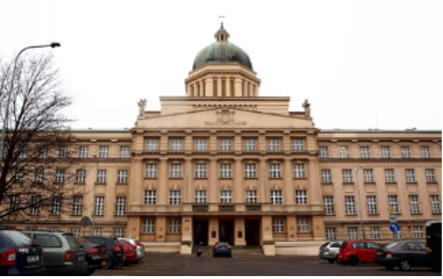
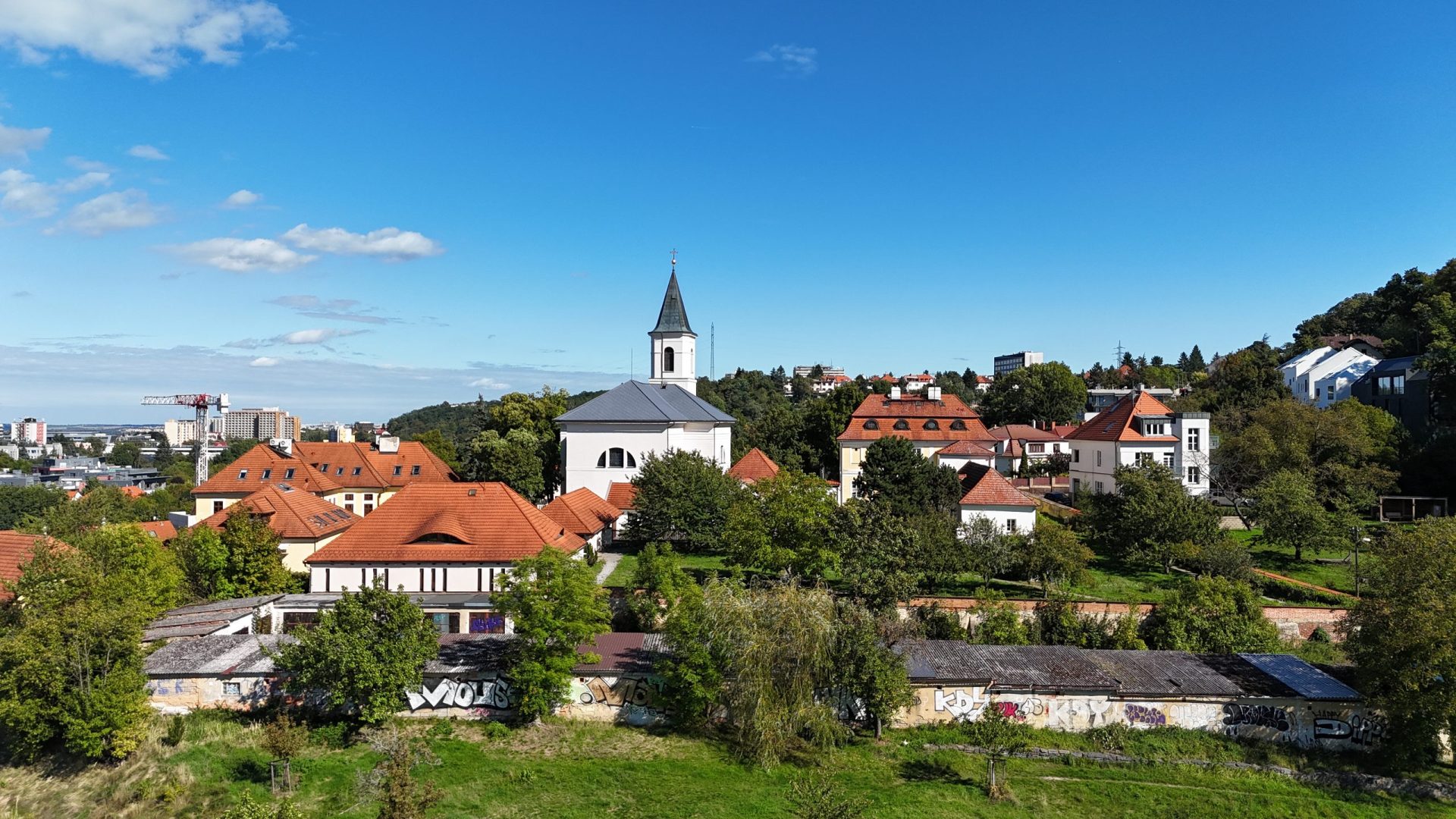
- Varied protection statuses: In Prague 6, some buildings are individually listed as national monuments (like Břevnov Monastery), while others lie within protected zones but carry no individual designation (like the Archiepiscopal Seminary). This patchwork creates uneven regulatory landscapes for energy interventions.
- Multiple approval layers: Heritage approval, building permits, and energy regulations may involve different authorities with different timelines and priorities. Aligning these processes is a persistent challenge.
- National differences: MonuPED’s six countries; Czechia, Romania, Germany, Austria, Slovenia, and Iceland each have distinct legal frameworks for monument protection, making cross-border replication of solutions difficult or often legally non-trivial.
Financial Challenges
Economic feasibility is a critical barrier for PED implementation in heritage contexts. Some selected examples:
- Higher costs: Retrofitting historic buildings is typically more expensive than standard buildings due to specialised materials, skilled labour requirements, and longer approval processes.
- Split incentives: In commercially used heritage properties like the Baumwollspinnerei, the building owner invests while tenants benefit from lower energy costs. Aligning these incentives requires innovative contractual and financial models.
- Limited funding instruments: Subsidy structures rarely address the specific combination of heritage preservation and energy efficiency. Finding funding that covers both is a challenge across all MonuPED countries.
- Diverse ownership structures: In Alba Iulia’s fortress, approximately 50 buildings are owned by different entities. Churches, the university, the county council, private owners, making collective investment decisions complex.
- Uncertain ROI: The return on investment for energy retrofits in heritage buildings is harder to calculate due to variable building performance, restricted intervention options, and the difficulty of measuring baseline consumption data.
MonuPED’s Work Package 3 addresses these challenges by identifying legal boundaries to PED-related investments and developing new co-investment concepts tailored to heritage contexts.
Stakeholder Engagement Challenges
Social and organisational challenges are as significant as technical ones. Selected examples here-below:
- Diverse stakeholder interests: Building owners, tenants, heritage authorities, energy providers, and municipalities each have different priorities. In Prague 6, aligning stakeholders who may be reluctant to compromise or pursue joint solutions is a core challenge.
- Communication complexity: In commercially used properties like the Baumwollspinnerei, business owners are not always on-site and employees may not be invested in participating. Engagement must be handled sensitively — over-engagement causes frustration, under-engagement causes confusion.
- Scarce local expertise: Specialists in historic building rehabilitation; historians, architects, builders, solution providers are limited in number locally, particularly in smaller cities like Alba Iulia.
- Awareness gaps: The PED concept is new to many local actors, necessitating targeted awareness and capacity-building efforts, as seen in Pinkafeld.
- Trust building: In heritage-sensitive contexts, stakeholders must trust that proposed interventions will not damage the assets they steward. This requires transparent processes, data-driven tools, and demonstrated respect for heritage values.
From Challenges to Solutions
MonuPED doesn’t just document these challenges – it addresses them systematically:
- WP2 catalogues technical challenges and possible solutions, shifting from restrictive “don’ts” to actionable “dos” aligned with the New European Bauhaus principles
- WP3 identifies legal and financial boundaries and develops co-investment concepts
- WP4 builds digital tools, technical interventions, and conceptual studies that address specific challenges
- WP5 tests these solutions in real-world Living Labs, providing feedback and validation
The result is a set of solutions designed not in isolation but grounded in real stakeholder needs and tested in real heritage contexts.