
Living Lab Prague 6
Balancing monument protection and
solar potential in a historic district
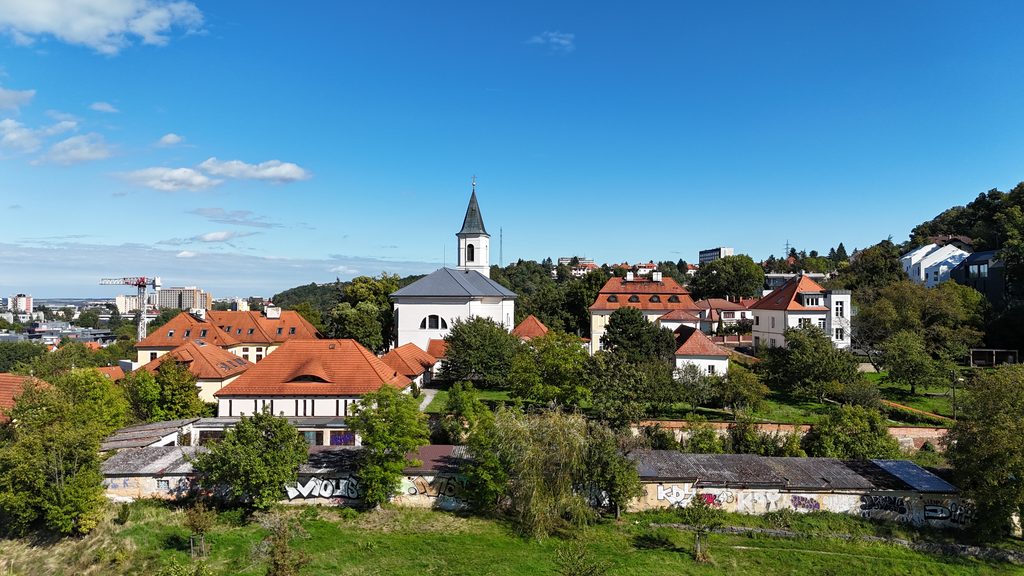
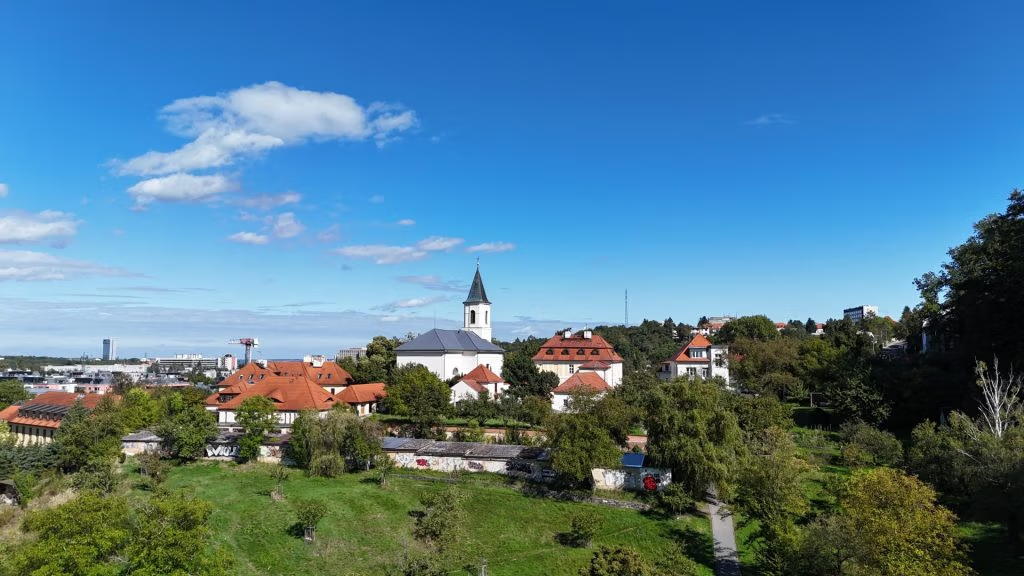
Prague 6 offers a rich and complex urban environment where monument protection, diverse ownership structures, and energy transition goals intersect. The district is home to a high concentration of heritage-listed residential buildings, institutional properties, and public facilities many of which face significant technical and regulatory barriers to energy retrofitting. This makes Prague 6 an ideal testbed for developing and validating governance tools, co-investment models, and retrofit strategies specifically tailored for Positive Energy Districts in culturally sensitive areas.
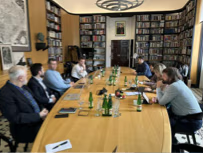
The goal of the Living Lab is close collaboration with municipal authorities, planners, and residents, enabling real-time feedback, co-creation of solutions, and participatory testing. Piloting integrated energy and heritage approaches in Prague 6 not only addresses local challenges but also generates replicable knowledge for other cities balancing decarbonisation with cultural preservation.
Key Challenges: The complexity of Prague 6 presents significant challenges, particularly in aligning the diverse interests of stakeholders who may be reluctant to compromise or pursue joint solutions. Monument protection regulations vary across the district, some buildings are individually listed as national monuments, while others lie within broader protected zones but carry no individual designation. This patchwork of protection statuses creates uneven regulatory landscapes for energy interventions.
In this context, the project aims to foster mutual understanding and trust by offering transparent, data-driven tools that support decision-making. The goal is to enable constructive dialogue and promote the mainstreaming of Positive Energy Districts without bias, while respecting both heritage values and energy ambitions.
The buildings and area
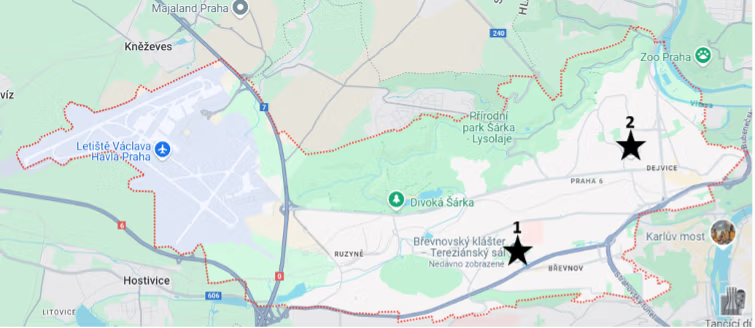
The Living Lab focuses on two pilot buildings within the Prague 6 area, each representing a different level and type of monument protection.
Břevnov Monastery: Founded in 993 AD, Břevnov Monastery is the oldest male Benedictine monastery in Bohemia. It has evolved into a historically layered ensemble comprising the Baroque basilica of St. Margaret, monastic buildings, gardens, courtyards, and a functioning brewery. The entire site is protected as a national cultural monument, making any intervention subject to strict conservation regulations.
The complex serves multiple purposes religious, cultural, residential, and commercial, illustrating the challenges faced when implementing Positive Energy District strategies in monument-protected environments. With varied ownership and usage patterns, uneven energy performance across buildings, and a need to preserve visual and structural integrity, the monastery faces significant obstacles in approval processes for refurbishment.
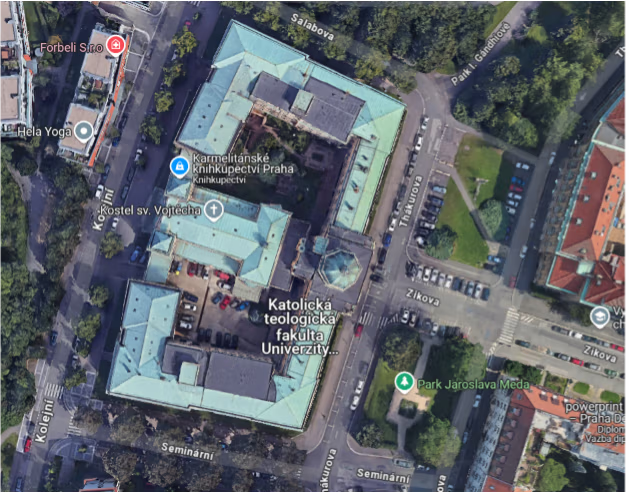
Archiepiscopal Seminary: Located in Prague 6 and forming part of a historically valuable district, the Archiepiscopal Seminary building itself is not individually heritage-listed but lies within a designated monument protection area. Any planned interventions must still comply with broader conservation guidelines that aim to preserve the architectural character and historical coherence of the urban landscape. The massive, solitary neoclassical building has its wings enclosing a large courtyard, in the centre of which stands the Church of St. Adalbert, built at the same time. The complex includes the seminary building, the church, the grounds with English courtyards and fencing, the seminary courtyards and gardens, and a set of six items from the interwar-period furnishings and decorations.
Connection to MonuPED Work Packages
The Prague 6 Living Lab serves as the testing ground for four tools and concepts developed in WP4.
WP4 Tool / Concept | Description |
PV Potential Map | GIS dataset mapping solar energy potential across Prague 6, designed for scalability to the entire city. Stakeholder feedback ensures applicability in the Prague 3D model and strategic planning. |
RoofMatch App | Digital platform connecting building owners with investment opportunities for solar deployment. Tested through co-creation sessions with electricity distributors, data companies, and listed building owners. |
Roofs and Facades Study (concept) | Workflow for assessing visibility of renewable energy installations from near and far viewpoints, tested on-site at the CTU campus and discussed with monument protection authorities. |
Citizen Guidelines | Process-oriented guidance for citizens navigating the design and approval process for PED-enabling technologies, built on real-life stakeholder experience. |
The Living Lab also feeds into WP2 (shifting from restrictive “don’ts” to actionable “dos” aligned with the New European Bauhaus principles) and WP3 (investment matchmaking, co-investment models, and the investment matrix foreseen in D3.2).


Living Lab Leads
Contact by email for further information
Czech Technical University (CVUT)