
Project
A holistic vision for sustainable transformation in protected urban environments
The MonuPED project philosophy is rooted in reconciling two vital but often conflicting priorities: the urgent need for energy transition and the enduring responsibility to protect cultural heritage. We envision a future where cities can lead the way toward climate neutrality while preserving their historical identity. Our approach combines technical innovation, stakeholder collaboration, and policy insight to create adaptable solutions for Monument Protected Areas and Buildings. By addressing the systemic barriers and enabling co-creative models, MonuPED lays the foundation for inclusive, heritage-sensitive, and future-ready urban transformation.
What the PEDs are?
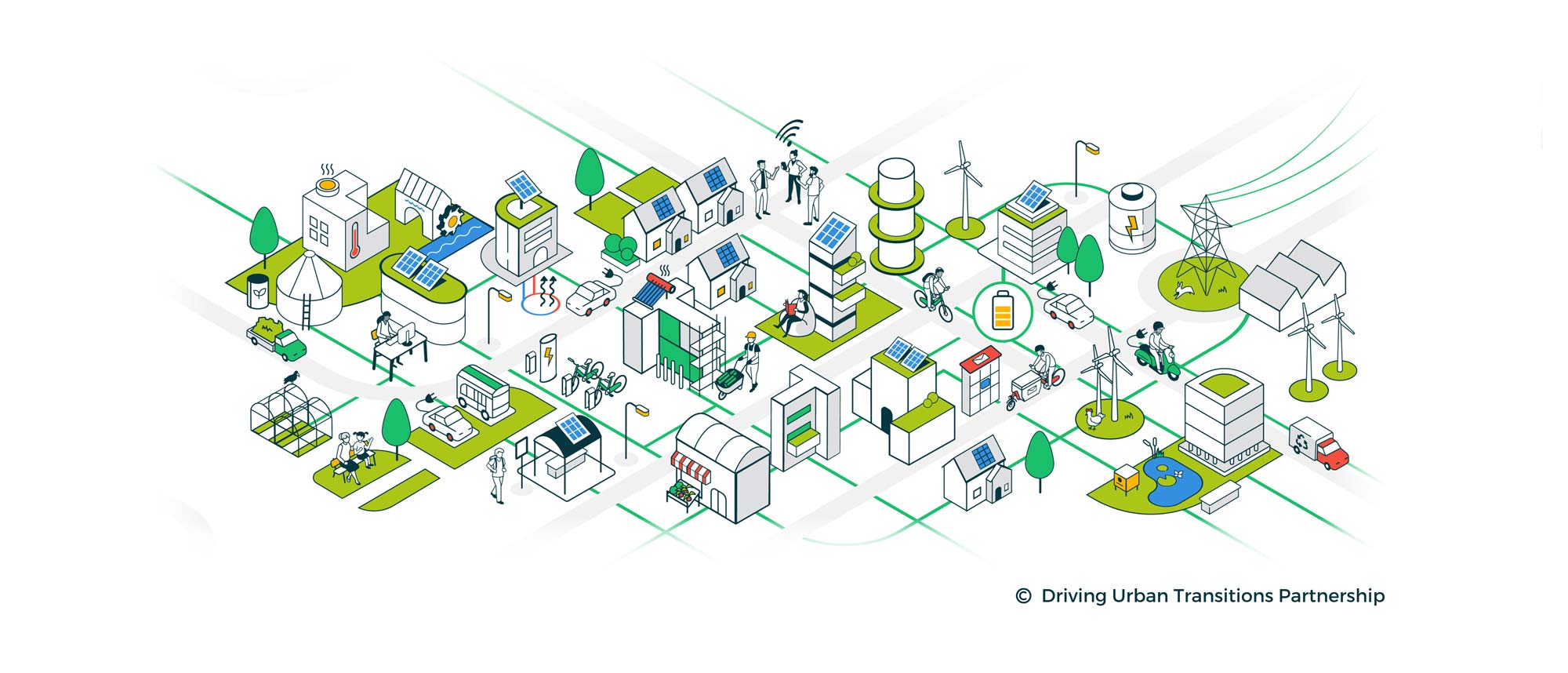
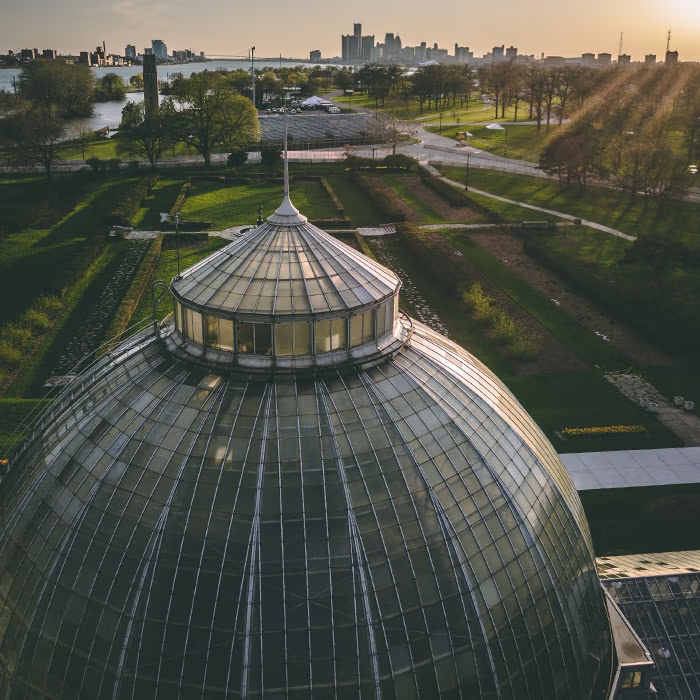
Harmonizing Energy Transition and Heritage Protection
Navigating the challenges of climate goals in historically sensitive areas
The MonuPED project addresses a fundamental conflict faced by many European cities: how to implement climate-neutral solutions within Monument Protected Areas and Buildings without compromising their cultural and historical significance. Our philosophy is rooted in the belief that urban energy transformation and heritage conservation can not only coexist but strengthen each other through smart, compatible solutions and inclusive dialogue with all stakeholders.
Dual Strategy: On-Site and Virtual PEDs
Combining physical implementation with virtual energy partnerships
Physical PEDs
Implement energy-efficient and renewable energy (RES) solutions within MPAs that comply with protection laws.
Virtual PEDs
Link energy consumption in MPAs with RES production sites outside protected zones through legal energy-sharing mechanisms.
Outcome
A hybrid model allows greater flexibility and faster implementation of PEDs without compromising heritage values.
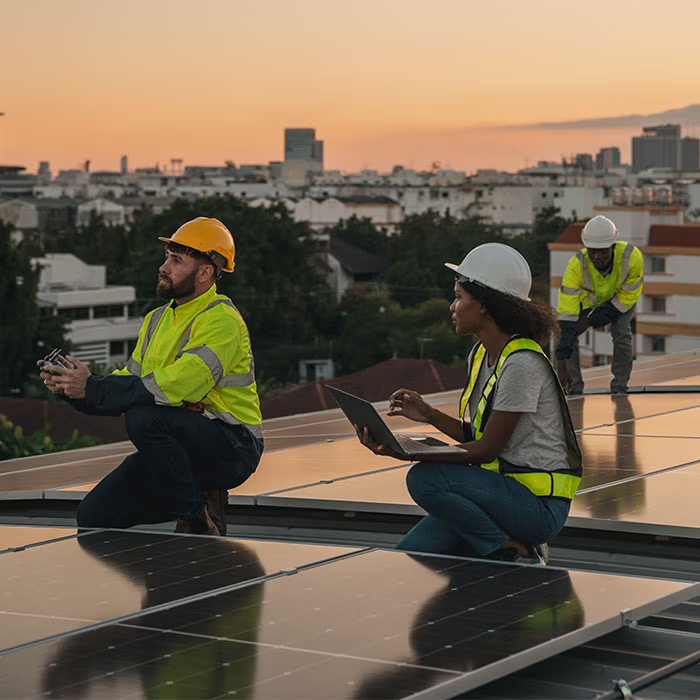
Empowering Stakeholders Through Tools and Collaboration
Combining on-site innovation with virtual energy integration
To effectively implement Positive Energy Districts in sensitive areas, MonuPED embraces a dual strategy. The first focuses on deploying energy efficiency and renewable energy solutions that align with monument protection regulations. The second applies a virtual PED model—linking energy consumption in protected zones with external renewable sources through energy-sharing systems. This comprehensive approach expands the possibilities for sustainable development while respecting legal and cultural boundaries.
Co-Creation and Local Empowerment via Living Labs
Testing and shaping PED concepts through local engagement
Methodology
Real-life testing in diverse city environments
MonuPED’s Living Labs in Leipzig, Prague, and Alba Iulia function as testbeds for applying, refining, and validating PED concepts in monument-protected settings. Each city brings distinct heritage challenges and energy profiles, enriching the overall solution framework.
Knowledge Sharing
Building transferable strategies through participation
By involving local communities, authorities, and experts, the project ensures its outputs reflect lived experiences and real-world constraints. This participatory process results in robust guidelines for replication and scaling across Europe.
Vision
A collaborative path toward energy-positive historic districts
The ultimate goal is to enable other cities to adopt the MonuPED model—creating a future where sustainability and heritage coexist in harmony.
Scaling Impact Through Policy and Knowledge Sharing
Building a legacy of climate-resilient cities with preserved identities
MonuPED goes beyond technical innovation—our ambition is to shape policy and influence urban development on a broader scale. Through strategic dissemination within European initiatives like the New European Bauhaus and the DUT Partnership, we ensure our findings reach decision-makers, planners, and communities. The result is a roadmap for integrating sustainability and heritage in long-term urban planning.