The MonuPED Living Labs
Where heritage meets energy transition for co-creating Positive Energy Districts in monument-protected areas across Europe
What is a Living Lab?
A Living Lab (LL) is a real-world environment in which new technologies, services, and processes are tested, developed, and refined through active collaboration between researchers, companies, public institutions, and citizens. Unlike traditional research settings, Living Labs are embedded in actual communities, making them ideal for experimenting with, validating, and adapting solutions in realistic, complex, and dynamic environments.
Living Labs represent open innovation ecosystems that employ a systematic co-creation approach. They create spaces where global sustainability ambitions can be translated into local solutions through direct engagement with communities. This approach is particularly valuable in urban contexts, where they serve as policy experimentation arenas bringing together the quadruple helix of actors: citizens, government, industry, and academia.
What distinguishes Living Labs is their problem-driven methodology, each activity is carefully designed based on the specific challenges being addressed, the stakeholders who need to be involved, and the expected outcomes and potential for scaling solutions.
Within MonuPED, Living Labs operate on three interconnected levels: the organisational level (entities institutionalising Living Lab principles), the project level (specific initiatives applying these approaches), and the activity level (concrete methods and tools).
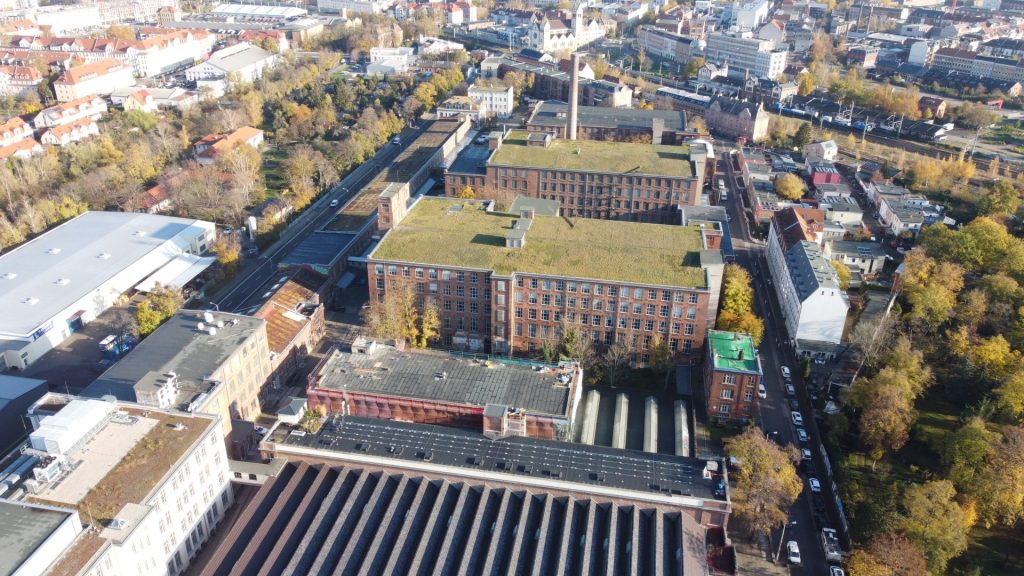
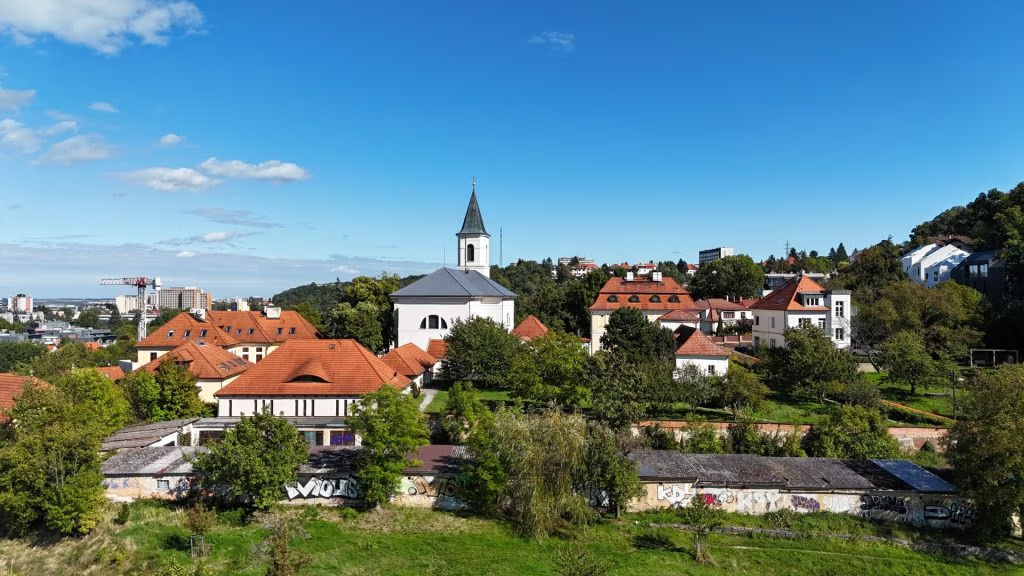
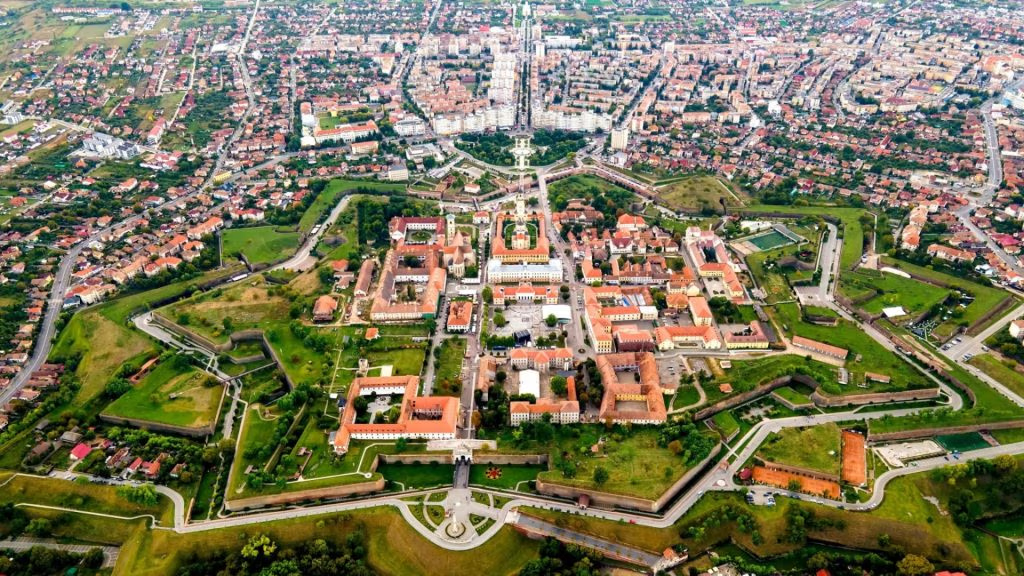
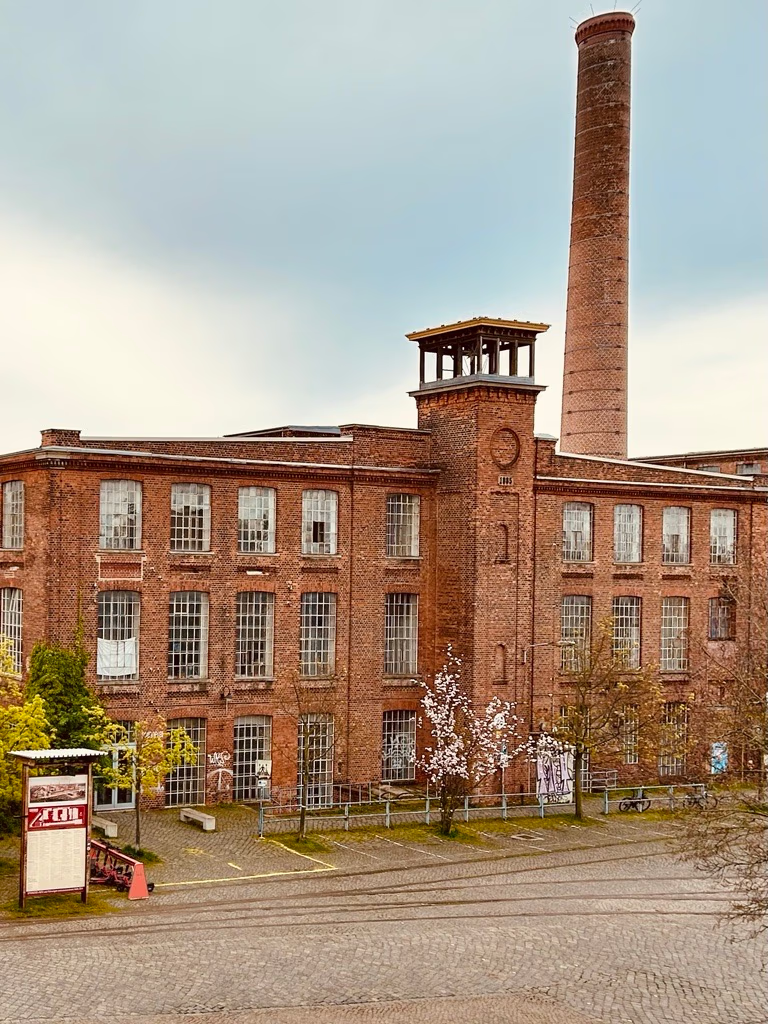
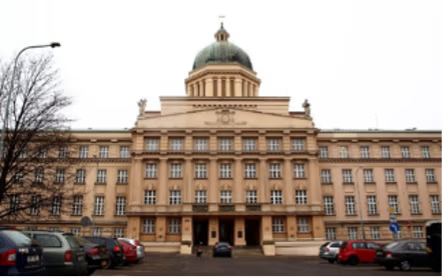
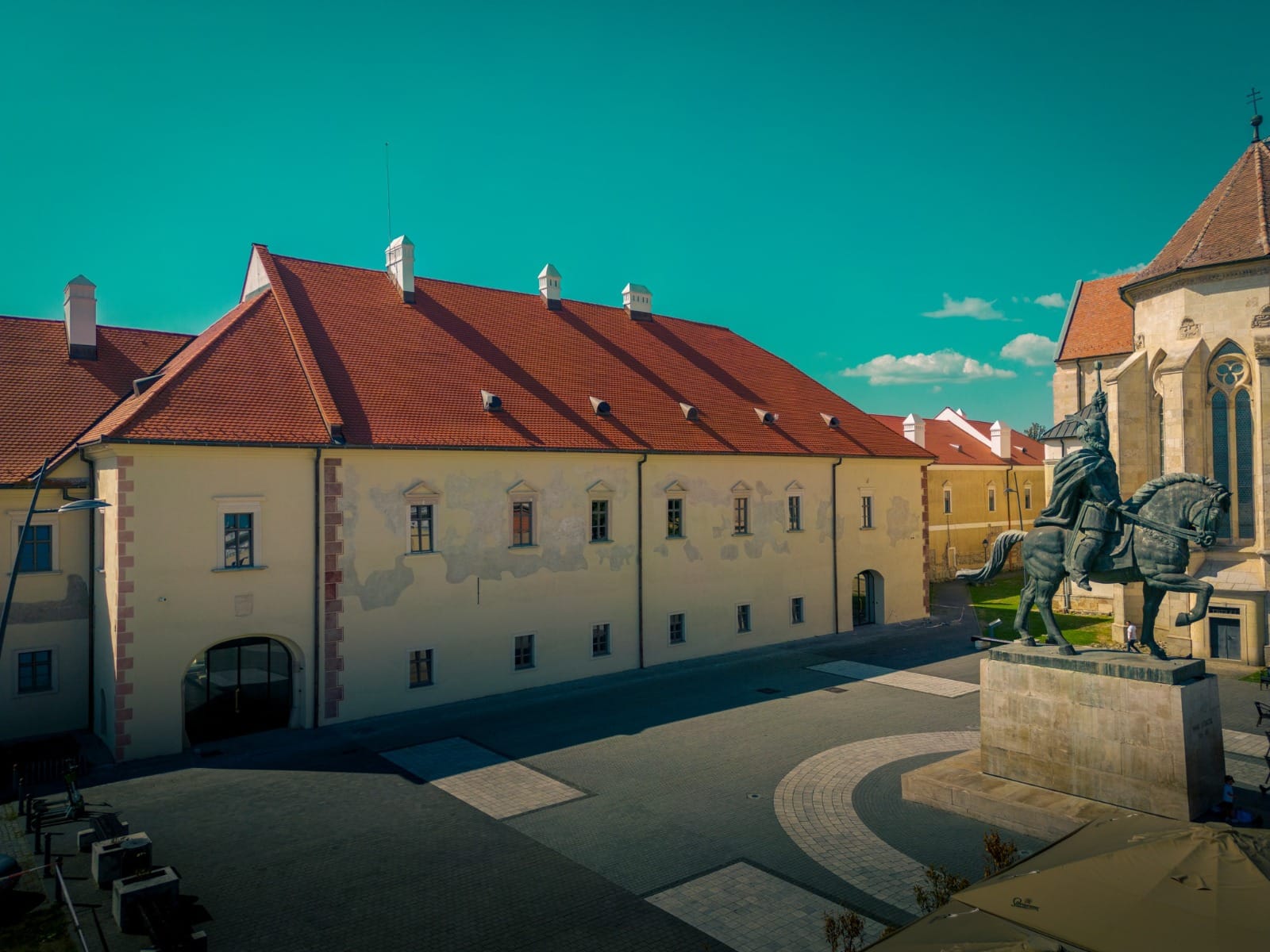
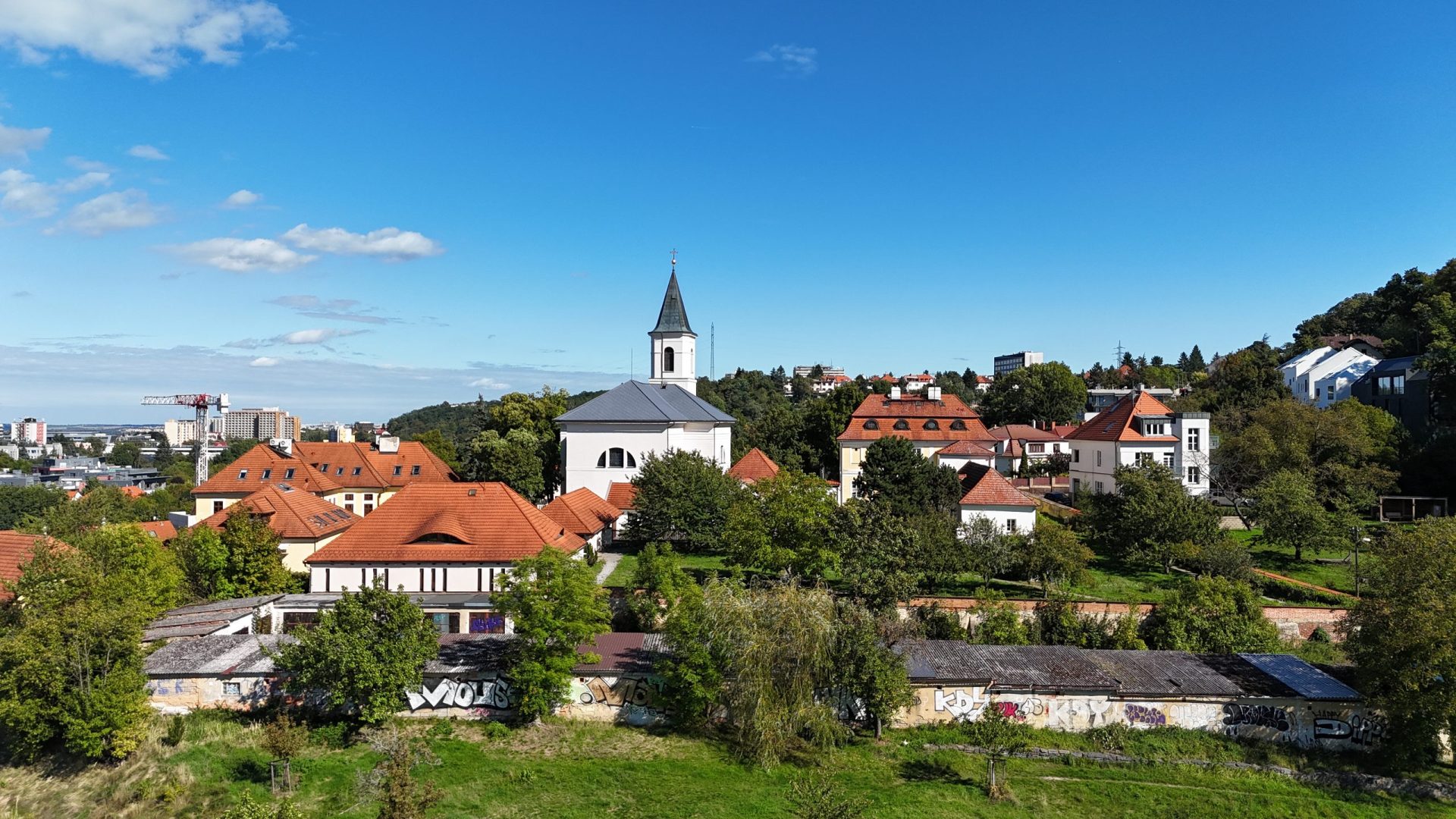
Establishing Living Labs in Prague, Alba Iulia, and Leipzig will validate concepts, recommendations, and tools from WP2, 3, and 4, activating Monument Protected Areas’ ecosystems with stakeholders like building owners, MP authorities, energy providers, universities and residents. Customised approaches and co-creation techniques will address local challenges and develop solutions.
Objectives
The MonuPED Living Labs pursue three primary objectives:
- Mapping Stakeholder Ecosystems Systematically mapping the complex network of actors involved in energy transitions within heritage contexts from building owners and tenants to monument protection authorities, energy providers, universities, and residents. Understanding who is involved, what motivates them, and how they interact is the foundation for effective collaboration.
- Developing a Living Lab Framework Creating a robust, transferable framework that can guide the implementation of Positive Energy Districts in monument-protected areas across different urban contexts. The framework captures lessons learned, stakeholder dynamics, and tested engagement methods generalising an MPA ecosystem type with its respective behavioural logics and demands.
- Cross-Stakeholder Collaboration for a Shared Vision Facilitating collaboration across stakeholder groups to create a shared vision for energy transition that aligns with local climate strategies. By bringing together diverse perspectives; technical, conservation, administrative, and community. The Living Labs ensure solutions are both technically robust and socially embedded.
Additionally, the Living Labs provide platforms to showcase and evaluate practical solutions developed in the project’s toolkit (WP4), while community engagement events such as on-site visits and workshops ensure local needs are addressed throughout the process.
Stakeholder Approach
MonuPED categorises stakeholders into three groups according to their engagement level. This categorisation helps tailor engagement methods from co-creation workshops with partners to awareness campaigns for target groups and guides resource allocation and impact measurement.
- Participants: Those who actively participate in project activities and decision-making processes. These include municipalities, property owners, energy management companies, universities, and institutional building owners. They contribute local knowledge, operational capacity, and decision-making authority.
- Supporters & Multipliers: While not directly involved in implementation, supporters and multipliers play crucial roles in promoting project outcomes and expanding their reach. This group includes energy agencies, NGOs, heritage associations, professional networks, and government ministries.
- Target Groups: The primary beneficiaries whose needs directly shape the solutions developed. Target groups include residents, tenants, building owners, green investors, and other municipalities facing similar heritage and energy challenges.
MonuPED communication and involvement strategies consider the various motives and logics of action of each stakeholder group, ensuring engagement is tailored, respectful, and effective.